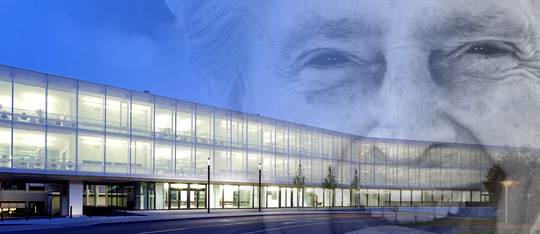


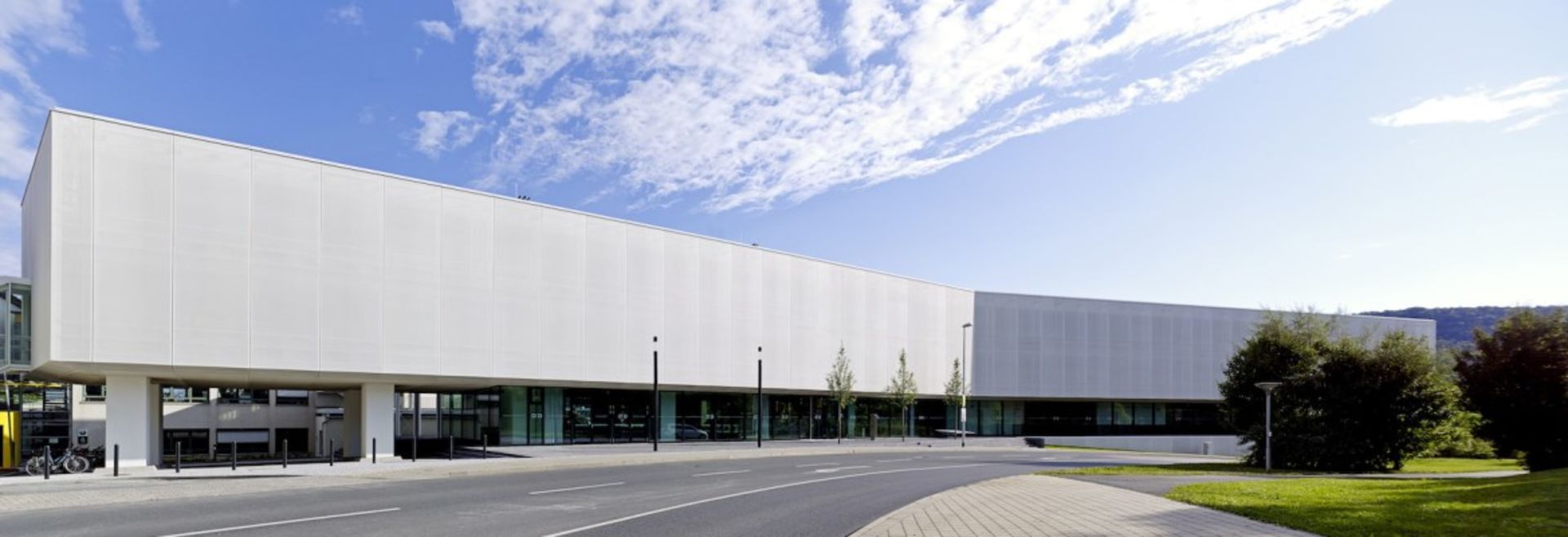


Leibniz Institute on Aging - Fritz Lipmann Institute (FLI)

We conduct research on the biology of aging at the molecular, cellular, and systems levels.

Aging Research at FLI

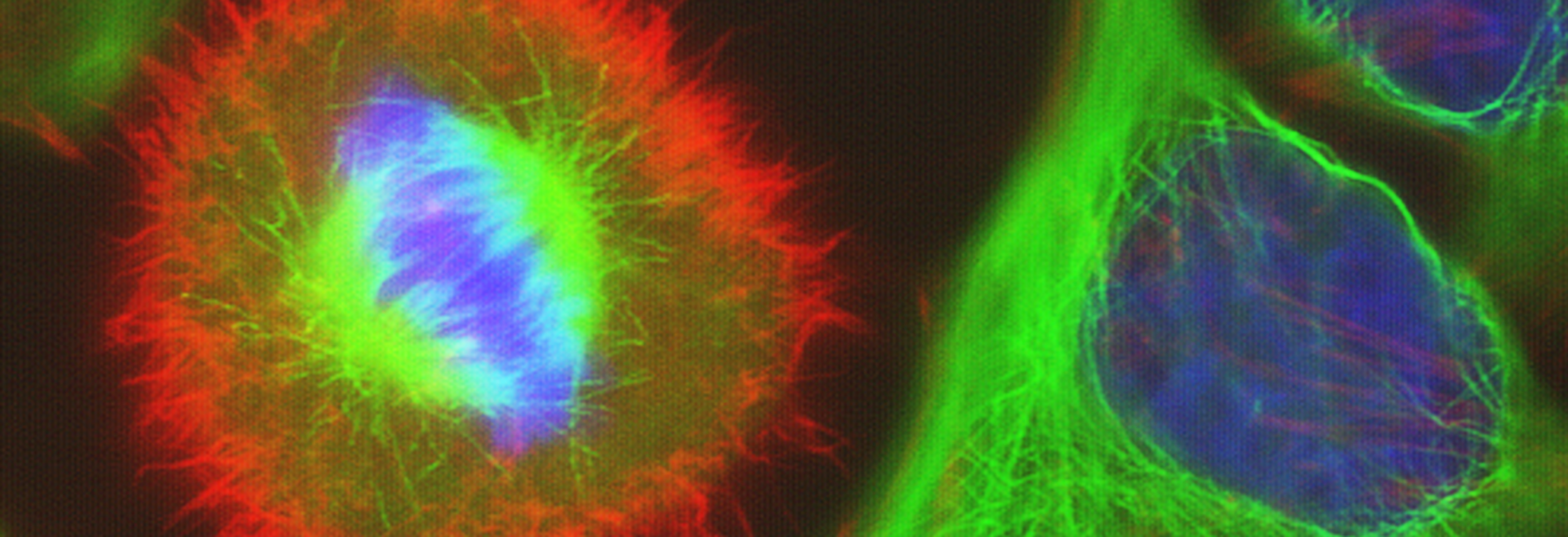
To study the biological foundations of aging — from molecules to entire organisms - we conduct multi-disciplinary research, combining evolutionary approaches, diverse model systems, and cutting-edge omics technologies.

Institute's Research Infrastructure

 ... combines state-of-the-art core facilities, core services, animal facilities, and specialized units into a powerful network for excellent research. 

Research in Dialogue

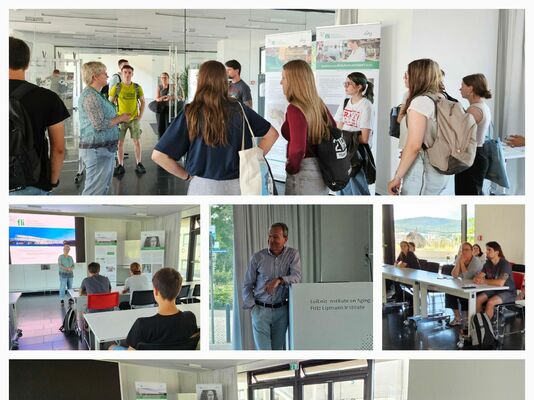
Whether scientific conferences, lectures, or events for students and teachers, as well as our series Science & Society, or the Long Night of Sciences, and MINT Festival for the general public – we offer insights into our work in aging research.

Join our Team

Become part of our team—apply for our open positions

News

Extension of DFG Research Unit 5228

DFG Research Unit 5228 “Syntophagy” has been extended for a second funding period.

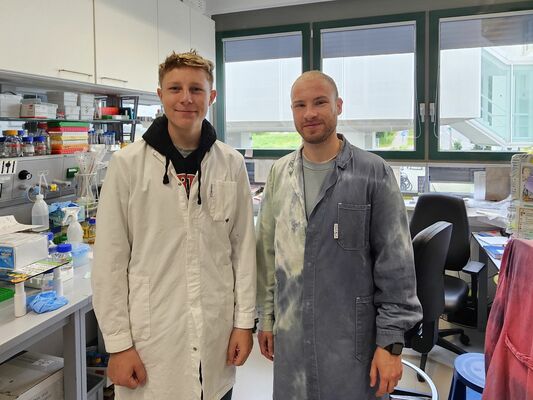
Leibniz Trainee Award 2025 goes to trainee at Leibniz Institute on Aging – Fritz Lipmann Institute (FLI) in Jena

Hakar Aliyas (24) impressed with his excellent professional achievements and strong social commitment

Extension of CRC 1310

The Collaborative Research Center 1310 (“Predictability in Evolution”), in which Prof. Dr. Dario R. Valenzano and Dr. H. Melike Dönertas are involved, has been successfully extended for its third phase at the end of November 2025. 

As our gut age: New study finds out why important genes “go quiet” as we get older

Researchers from the Leibniz Institute on Aging - Fritz Lipmann Institute (FLI) in Jena, Germany, the Molecular Biotechnology Centre (MBC) in Turin and the University of Turin, Italy, have discovered a fundamental mechanism of aging in the gut. Over the course of life, a specific form of epigenetic aging - known as ACCA drift - accumulates in intestinal stem cells. This leads to the shutdown of key genes through hypermethylation. The drift spreads across the intestinal crypts and is caused by a combination of age-related inflammation, weakened Wnt signaling, and impaired iron metabolism, which affects the activity of DNA-modifying enzymes. The findings provide new explanations for why the risk of colorectal cancer increases with age and which molecular processes are involved.

Job offer

IT Administrator (m/f/x)
Focus on network and security

&

IT Administrator (m/f/x)
Focus on Microsoft

(Application deadline: January 25, 2026)

Upcoming Events

UniStem Day 2026 - Internationaler Stammzelltag

Girl's and Boy's Day | Forsche Schüler Tag 2026

Long Night of Science 2026

FLI Colloquium: Prof. Dr. Dmitri Petrov

Dmitri Petrov from the School of Humanities and Science | Department of Biology, Stanford University, will speak on Thursday, January 22, 2026 at 1 pm about “Barcoding Fitness Landscapes of Tumorigenesis”.